

Experience the Future: AI Virtual Try-On
Precise virtual try-on for jewelry and watches
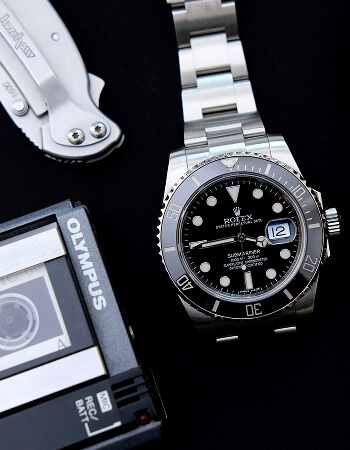
AI virtual try-on lets customers visualize how a product will look on themselves. It uses augmented reality to overlay product images on the user’s wrist, ear, hand, or neck. Virtual try-on improves conversions, reduces returns, and boosts engagement.

Beyond the Screen: Your Virtual Product Showroom
Bridging the gap between physical and digital retail
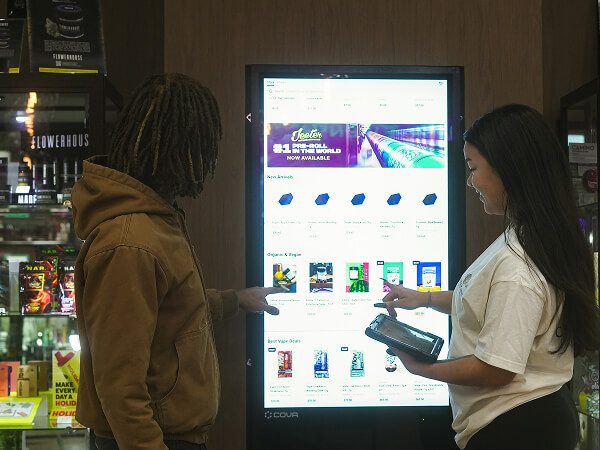
A virtual showroom creates a digital replica of a store where you can showcase your entire product catalog digitally. It allows customers to explore and customize products before ordering from the comfort of their homes.
3D Product Configurator
Visualizing complex products with infinite possibilities
Make your networking as advanced as your business. Electronic business cards let you connect with prospects, boost your networking, and offer features that help you connect, share, and integrate your contact details and important links.
Electronic Business Cards
Eco-friendly, dynamic, and always up-to-date
Make your networking as advanced as your business. Electronic business cards let you connect with prospects, boost your networking, and offer features that help you connect, share, and integrate your contact details and important links.

Why Choose ITwin?
Boosting conversion through interactive engagement
ITwin lets you connect with customers and promote products. It helps you target the right audience and connect with clients to initiate conversations. With ITwin, communication becomes seamless and efficient.
Frequently Asked Questions
Yes. AI virtual try-on improves buyer confidence by letting users visualize products on themselves in real time. This reduces uncertainty, shortens decision cycles, and increases engagement.
As a result, customers are more likely to complete purchases, leading to higher conversion rates and improved sales performance.
AI virtual try-on uses computer vision, augmented reality (AR), machine learning, and 3D modeling. Face tracking, body mapping, and real-time rendering ensure accurate placement of products.
Some solutions also use deep learning and LiDAR sensors (on supported devices) for better depth and realism.
A virtual product showroom provides an immersive and interactive way to explore products. Customers can view items in 3D, rotate them, zoom in, and sometimes interact with features.
This creates a more engaging and informative experience compared to static images, helping users make confident buying decisions.
A regular online store relies on static images and basic descriptions, while a virtual product showroom provides interactive 3D environments.
Users can explore products in a simulated real-world setting, improving visualization, engagement, and understanding of the product’s look and functionality.
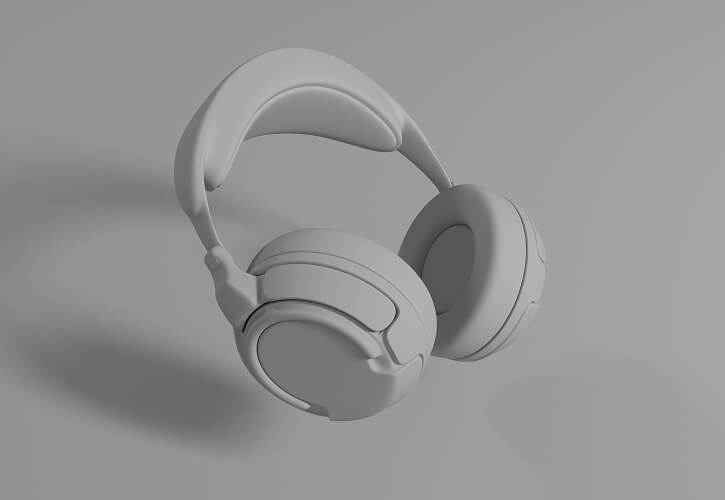
Industries like furniture, automotive, jewelry, fashion, real estate, and electronics benefit the most. These sectors often offer customizable products, and a 3D configurator allows customers to personalize features such as color, size, material, or design before purchasing.
Businesses can integrate a 3D configurator using APIs, SDKs, or plugins provided by solution providers. It can be embedded into product pages or hosted via cloud platforms.
Integration typically involves uploading 3D models, defining customization options, and ensuring compatibility across devices.
Yes. Electronic business cards can be shared via QR codes, NFC taps, links, or email. Users can simply scan or tap to instantly access contact details, making sharing fast, contactless, and convenient across devices.
Yes, most electronic business cards are secure when built on trusted platforms. They use encryption, controlled access, and privacy settings. Users can choose what information to share and update it anytime, reducing the risks associated with traditional printed cards.
Jewelry virtual try-on enhances visualization by allowing customers to see how rings, necklaces, or earrings look on them. It increases engagement, builds trust, reduces hesitation, and lowers return rates.
It also provides a personalized shopping experience, improving overall customer satisfaction.
Brands can integrate jewelry virtual try-on using AR-based SDKs, web plugins, or mobile app features. The process involves uploading product models, enabling camera-based try-on, and embedding the tool into product pages.
Many solutions are web-based, requiring no app download, ensuring easy access for users.